Blog

Insights
The 2026 Super Bowl wasn’t just a showdown on the field, it was a battle of brands off of it. As millions of Americans tuned in for the big game, a different kind of competition unfolded during the commercial breaks, including several high-profile ads from companies connected to the booming obesity treatment market.
This year, we wanted to understand how the ads actually landed with the audience that matters most: people who meet the criteria to be candidates for obesity medications. So we surveyed 260 targeted respondents from our patient database who have a BMI of 27+ with an eligible comorbidity or BMI 30+ who indicate interest in weight loss and are not completely averse to a pharmaceutical intervention, tapping directly into the population these brands are trying to reach. The result? A clear, data-backed ranking of how four major brands performed in the eyes of prospective patients.
The commercials included in our study were from the brands Hims and Hers, Ro, Wegovy (Novo Nordisk) , and Zepbound (Eli Lilly).
Participants evaluated each ad across five key dimensions: overall appeal, personal relevance, perceived trustworthiness, likelihood to take action (such as talking to a doctor or learning more), and how the ad influenced their perception of GLP-1 medications. We then compiled the results to determine which commercial truly connected with prospective patients, and what drove that connection.
Below, you’ll find our full ranking of these Super Bowl spots, along with insight into what worked, what didn’t, and what today’s obesity drug candidates are actually looking for from brands in this space.
Without further ado, here’s how the commercials stacked up.
2026 Super Bowl Commercials for GLP-1 Drugs Rankings
4. Hims and Hers: "Rich People Live Longer"
Of the four commercials we tested, the Hims & Hers spot struggled the most to win over prospective GLP-1 patients. In fact, 36% of respondents ranked it as their least liked ad. It also finished at the bottom when it came to trust and actionability, with respondents saying they were less likely than with any other ad to visit the website or take the next step after seeing it.
What’s interesting is that while it didn’t drive trust or intent, it landed in the middle of the pack when it came to shifting perceptions of weight loss treatments overall. In other words, it didn’t completely fail to move the needle but it struggled to make patients feel confident, informed, or empowered. Many respondents cited concerns around cost, credibility, and clarity. Several noted the messaging felt vague, while others expressed hesitation about bypassing their doctor in favor of a more direct-to-consumer approach.
A few responses capture the sentiment well:
“I didn’t connect with this at all. Weight loss meds still feel out of reach financially to me so this did nothing but make me feel even more broke.”
“I’ve seen similar ads for the company, but I’m leery of not going through my doctor.”
“This ad seems a little vague. I don’t know what the product actually is.”
“It does a good job of equating health to wealth. It shows that only the wealthy truly benefit from many medications.”
Overall, the ad sparked reaction, but not necessarily reassurance. And in a category where trust and clarity are critical, that distinction matters.
3. Zepbound (Eli Lilly): "Watch This"
Eli Lilly’s “Watch This” commercial didn’t generate strong negative backlash, but it also didn’t generate much momentum. Of the four ads tested, it received the fewest “most liked” votes and ranked as the least appealing overall. When it came to motivating action, it performed slightly better than Hims & Hers, but still landed near the bottom, with relatively few respondents saying they’d take the next step after seeing it.
Where the ad struggled most was in shaping perception. Only 28% of respondents said it did anything to change how they view GLP-1 medications, the lowest perception-shift score of any commercial in our study.
Interestingly, the creative itself wasn’t the primary issue. Many respondents appreciated seeing “real” people represented on screen and noted that the cast felt relatable and authentic. As one participant shared, “I like seeing actual people of all sizes in the ad.” Another added, “I like the ad because it uses everyday people who look confident in their journey to lose weight.”
But relatability alone didn’t translate into clarity or conviction. Several viewers felt the ad leaned heavily into side effects without balancing that with tangible outcomes or practical information. “The majority of the ad was about the side effects and dangers. That is not very encouraging,” one respondent explained. Others wanted more specifics about results, format (oral vs. injection), cost, and what to realistically expect.
The takeaway? Representation resonated. But without clearer value messaging and stronger outcome framing, the ad stopped short of building urgency, shifting perceptions, or driving next steps.
2. Ro: "Healthier on Ro"
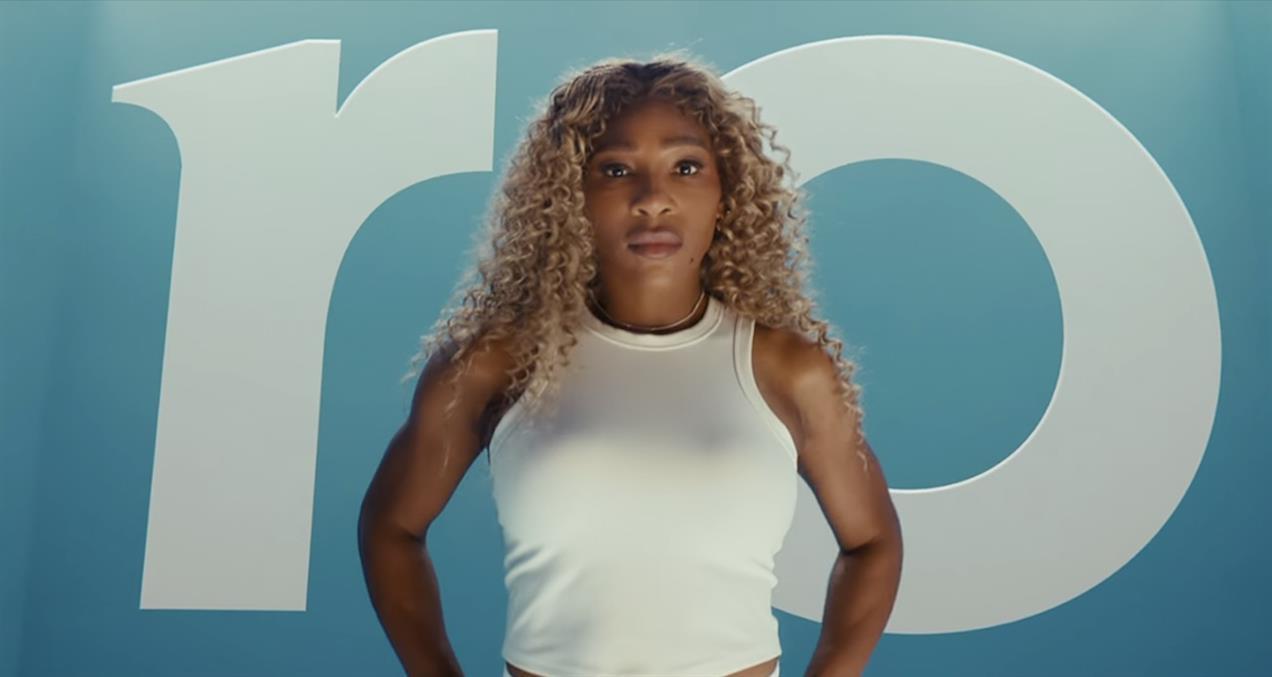
Ro’s “Healthier on Ro” commercial, featuring Serena Williams, delivered one of the most fascinating results in our study. It landed comfortably in second place overall, earning 28% of respondents’ votes as their most liked ad. But at the same time, 26% ranked it as their least liked. No other commercial was as evenly divided. It was, by far, the most polarizing spot of the group.
That divide showed up most clearly around trust. Nearly half of respondents ranked Ro as the most trustworthy ad of the four. Yet it also tied with Hims & Hers for the most “last place” votes on trustworthiness. For many viewers, Serena Williams’ presence elevated credibility immediately. As one respondent put it, “I love Serena Williams and I trust her.” Her reputation, discipline, and public persona clearly carried weight.
But for others, that same celebrity factor created distance rather than connection. “The average person cannot relate to Serena Williams. She has access to the stuff that works she’s in a totally different class,” one participant noted. In other words, while Serena built authority for some, she unintentionally reduced relatability for others.
Beyond the celebrity dynamic, the ad performed consistently well across the remaining measures. It ranked second for likelihood to take the next step, overall appeal, personal relevance, and shifting perceptions of GLP-1 medications. Viewers appreciated the clarity around the format of the treatment, with one respondent sharing, “I like that the ad told you that it’s a pill and that makes me more likely to talk to my doctor about it.” At the same time, others felt the messaging left gaps. “This ad is very vague, left a lot of questions to the viewer.”
The takeaway? Serena Williams amplified attention and trust for a large segment of viewers. But celebrity endorsement alone wasn’t enough to create universal credibility or clarity. For target patients considering GLP-1 medications, authority matters, but so does relatability and specificity.
1. Wegovy (Novo Nordisk): "A New Way"
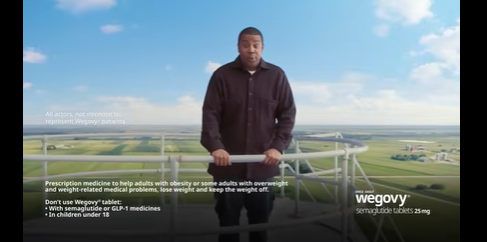
Novo Nordisk’s “A New Way” commercial didn’t just edge out the competition. It separated itself. Thirty-six percent of respondents ranked it as their favorite ad of the four, a full 12 points ahead of Ro and roughly double the top-spot votes earned by Hims & Hers and Zepbound.
More importantly, it drove action. Fifty-seven percent of respondents said this was the ad most likely to motivate them to take the next step, whether that meant talking to their doctor or learning more. That comfortably put Wegovy ahead of every other brand in the study. It also earned the highest marks for trustworthiness, reinforcing that its message didn’t just attract attention, it built credibility.
A major driver of that performance was clarity around the treatment format. Many viewers specifically called out the appeal of an oral option. “I like that this is all about the oral meds not shots,” one respondent shared. Another added, “I would be willing to talk to my doctor about the pill mainly because I didn’t want to have to do shots.” The ad also struck a balance between information and entertainment. “Excellent entertaining ad. It felt more informative than the other advertising the same medications,” one participant noted.
That said, it wasn’t without tension. Some viewers questioned whether the side effects outweighed the benefits, and others expressed discomfort with celebrity endorsements in a medical context. As one respondent put it, “Again, I am conflicted with mixed emotions. It’s one thing for celebrities to endorse soft drinks, but a whole other thing when it comes to medication.”
Even so, Wegovy clearly won where it matters most: trust and action. While it didn’t lead the pack in shifting overall perceptions of GLP-1 medications as a category, it successfully positioned itself as a credible, concrete option for patients ready to consider what comes next.
About Thrivable
Thrivable changes how life sciences and healthcare organizations in the cardiometabolic space understand what truly drives patient behavior, enabling them to improve adoption and retention. Through trustworthy, data-backed recommendations delivered in as little as two weeks, Thrivable brings the patient perspective closer to healthcare decision-making, working alongside existing tools and research approaches, to help teams move beyond assumptions and make clearer, more confident decisions grounded in the lived patient experience.